First Mothers Day Embroidery Design
A Thoughtful, Elegant Script That Elevates Boutique Apparel
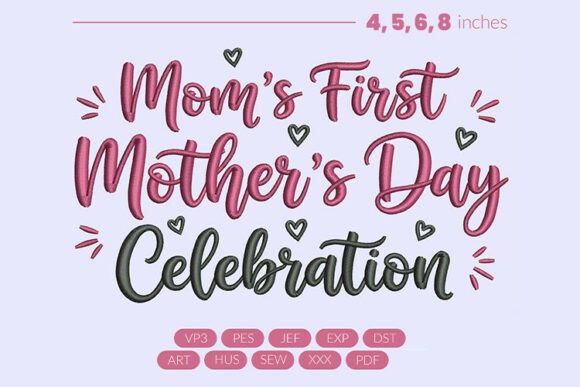
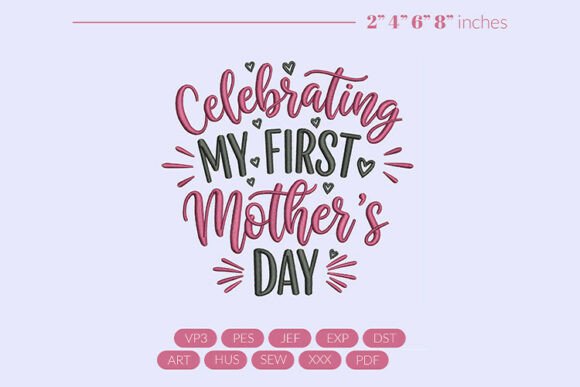
As an embroidery designer who’s developed collections for boutique brands and Etsy sellers for over a decade, my first impression of the First Mothers Day Embroidery Design was immediate: this is a design that understands emotional resonance. The “Celebrating My First Mother’s Day” phrase flows in graceful, connected script—neither overly ornate nor too minimal. Heart accents are subtle but intentional, placed where they enhance rhythm without crowding the letterforms. It reads as warm, sincere, and quietly premium—not trendy or fleeting, but timeless enough for keepsake apparel. For small shops building a cohesive Mother S Day capsule, this design lands firmly in the feminine, heartfelt, and refined category—ideal for brands that prioritize authenticity over flash.
How It Performs Across Real Apparel Projects
I tested the First Mothers Day Embroidery Design across several garment types we regularly use in our small-batch production: neutral heather gray sweatshirts, soft pastel hoodies, charcoal crewnecks, oversized terry cloth hoodies, lightweight cotton tees, denim jackets, and natural canvas tote bags. Here’s what stood out:
- Sweatshirt embroidery & hoodie chest placement: At 4" and 6", it sits perfectly centered on the left chest of standard and oversized hoodies—no visual sinking or distortion. The stitch density feels balanced: dense enough to hold shape on fleece, but not so heavy that it stiffens the fabric.
- Sleeve accents & back designs: The 2" size works beautifully on sleeve cuffs (especially on relaxed-fit hoodies), while the 8" version reads clearly across the upper back of a full-zip hoodie—ideal for lifestyle product photos where you want quiet storytelling, not loud branding.
- T-shirt embroidery & tote bag design: On lightweight cotton tees, I recommend the 4" size with light cutaway stabilizer—it maintains crispness without puckering. On canvas totes, the 6" size gives generous presence without overwhelming the material’s texture.
- Boutique merchandise & seasonal outfits: Paired with cozy ribbed knit sets or matching mom-and-baby loungewear, this design adds emotional weight without sacrificing polish. It reads as handmade product, not mass-produced clip art.
Where to Use It—And Where to Pause
The First Mothers Day Embroidery Design shines brightest when placed intentionally—but it does require thoughtful execution. Here’s where it excels—and where extra care matters:
- Works well on: Stable knits, midweight fleece, brushed cotton, twill, and medium-weave canvas. Chest placement on structured hoodies and center-back on relaxed silhouettes both deliver strong visual consistency.
- Use carefully on: Highly stretchy fabrics (like French terry with >5% spandex), ribbed cuffs/collars, curved surfaces (e.g., curved hem placements), and dark garments where thread contrast needs testing. Tiny lettering isn’t an issue here—the script remains legible even at 2", but avoid going smaller than included sizes unless you’ve verified readability on your target fabric.
Design Impact Beyond the Stitch
This isn’t just another machine embroidery design—it quietly strengthens brand identity. When customers see the First Mothers Day Embroidery Design on a thoughtfully styled sweatshirt in your Etsy shop or Instagram feed, it signals intentionality. It tells them you understand the emotional weight of “firsts”—and that your boutique brand values meaning over mass appeal. That builds buyer trust. It also improves product recognition: repeat customers begin associating that elegant script + heart motif with your line’s voice, especially during seasonal launches. For commercial embroidery shops, it’s a reliable, low-risk addition to client proposals—clients love how it photographs in printable mockups and social media graphics, and it converts well in gift-focused listings.
Practical Notes Every Embroidery Designer Should Check
Before stitching your first batch, take these steps—especially if you’re preparing a small shop product launch:
- Test on scrap fabric that matches your final garment’s weight, stretch, and finish—not just generic cotton.
- Confirm stabilizer choice: Light cutaway for stable knits; tear-away with topping for fleece or textured surfaces.
- Review thread color contrast against your base fabric—soft pinks or creams read beautifully on light backgrounds, while navy or charcoal thread adds grounded elegance on dark apparel.
- Verify hoop size compatibility for each included size (2", 4", 6", 8")—some machines need re-hooping for larger versions.
- Inspect stitch density visually in your embroidery software: look for smooth transitions in curves and consistent heart fill—not overly dense clusters that could cause stiffness.
- Test on similar garment fabric before full production—especially if using ribbed or brushed materials that shift under needle pressure.
- Compare placement options across garment styles: chest, sleeve, back, and even pocket edges all create different moods.
- Check Creative Fabrica product details thoroughly—confirm file formats, licensing terms for commercial embroidery products, and any usage restrictions before selling finished apparel.
Final Thoughts for Creative Entrepreneurs
If you’re curating a Mother S Day collection for your boutique brand—or building a digital embroidery file library for resale—the First Mothers Day Embroidery Design earns its place not because it’s flashy, but because it’s reliably meaningful. It translates cleanly across apparel categories, supports visual consistency in lifestyle photography, and resonates emotionally without leaning into cliché. For Etsy sellers and small clothing brands, it’s a quiet differentiator: the kind of detail that makes a customer pause, smile, and remember your shop long after checkout. As a working embroidery designer, I don’t reach for every new Creative Fabrica embroidery release—but this one? I’ve already added it to three upcoming sweatshirt and tote bag mockups. That says everything.