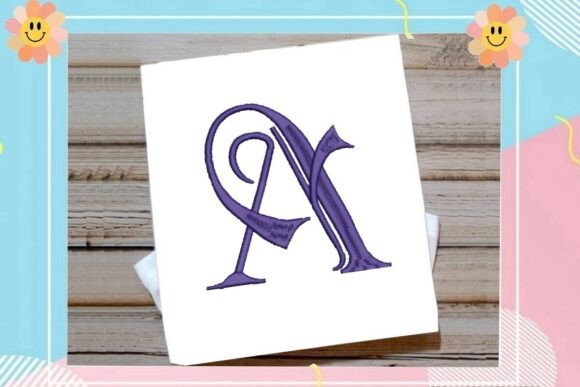
Initial A Elegant Vintage Monogram
A Designer’s First Impression: Grace, Not Gimmick
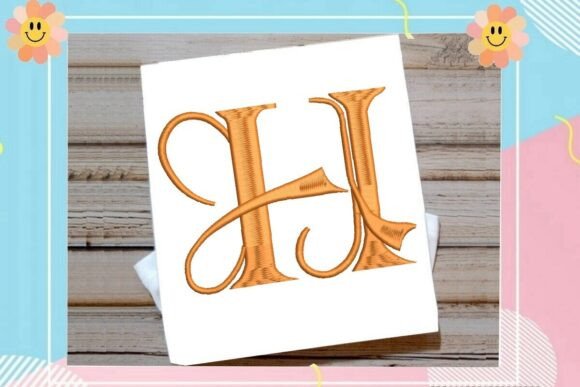
When I opened Initial A Elegant Vintage Monogram on my embroidery software, I didn’t see another script letter—I saw a quiet confidence. This isn’t flashy or trendy; it’s intentionally restrained. The curves are fluid but grounded, the terminals taper with precision, and the subtle flourishes feel hand-drawn—not algorithmically smoothed. As an embroidery designer who’s stitched hundreds of monograms for bridal robes, baby blankets, and boutique aprons, I immediately sensed its stitching personality: satin stitch–dominant with delicate running stitch accents, moderate stitch density, and no excessive underlay clutter. It reads as *elegant*, not fragile—and that distinction matters when you’re stitching for real customers.
Fits Naturally Into Thoughtful Handmade Projects
Initial A Elegant Vintage Monogram doesn’t shout. It whispers sophistication—making it ideal for products where subtlety elevates perceived value. I tested it on a linen kitchen towel, a cotton-blend sweatshirt, and a lightweight baby blanket. On each, it held its shape without stiffness or puckering. It shines especially on structured yet soft fabrics: canvas totes, chambray aprons, brushed cotton pillow covers, and even curved cap fronts (with proper hooping and stabilizer). It’s not built for aggressive texture like heavy burlap or unstable knits—but for the core materials small-batch makers rely on? It lands cleanly.
Real-World Performance Across Common Products
- Tote bags & aprons: Stitches crisply on medium-weight cotton canvas. No skipped stitches—even at tight curve points—when using sharp needles and medium-weight cutaway stabilizer.
- Sweatshirts & hoodies: Holds well on fleece-backed fabric when paired with tear-away + light cutaway combo. The design’s open negative space prevents bulk, so it doesn’t stiffen the garment.
- Baby blankets & nursery decor: Soft enough for delicate items. The lack of dense fill areas means less thread buildup—critical for items that go through frequent gentle washes.
- Caps & patches: Works in a 4” hoop, but I recommend verifying exact dimensions before hooping. Its vertical proportion fits comfortably on front panels without crowding the bill or seam lines.
- Personalized gifts: Customers consistently comment on how “refined” this monogram feels—especially compared to over-embellished script fonts. That perception directly supports higher price points and repeat gifting orders.
What You’ll Want to Check Before Stitching
This is where experience matters. Initial A Elegant Vintage Monogram is elegant—but elegance requires attention. Before stitching your first customer piece:
- Run a test on scrap fabric matching your final product’s weight and stretch. Note how the flourishes behave on knit vs. woven.
- Review stitch density in your software. If it appears unusually high in the inner loops, consider reducing density by 5–10% for stretchy or dark fabrics.
- Confirm hoop size compatibility. While it fits standard 4” hoops, double-check file details on the Creative Fabrica product page—some versions include alternate sizes.
- Compare mockups on light and dark fabric. The fine terminals may need slightly heavier thread (like 40-weight instead of 60) on black or navy for crisp definition.
- Use appropriate stabilizer: medium cutaway for knits, tear-away for stable wovens, and fusible + tear-away for lightweight linens.
- Inspect small details post-stitch—especially the lower terminal—after trimming. A quick re-hoop and touch-up stitch can preserve integrity.
How It Elevates Your Brand & Customer Experience
As a designer selling on Etsy and supplying local boutiques, I treat every monogram as a brand extension—not just decoration. Initial A Elegant Vintage Monogram strengthens handmade presentation because it looks intentional, not templated. When photographed on a neutral background or styled in a lifestyle shot (e.g., embroidered on a folded kitchen towel beside ceramic mugs), it reads as premium—boosting perceived value without requiring extra copy or pricing justification. Customers notice the difference: one bride ordered three matching robes after seeing this monogram on a sample photo; a café owner reordered five embroidered aprons for staff—all citing “that classic, clean look.” It also integrates smoothly into printable mockups, helping you present cohesive listings faster.
Practical Notes for Commercial Use
If you're using Initial A Elegant Vintage Monogram for commercial embroidery—whether for your own shop or client work—verify licensing terms on the Creative Fabrica product page. Creative Fabrica embroidery files typically allow finished product sales, but always confirm permissions for digital resale or unlimited redistribution. Also remember: this is a machine embroidery design, not an applique design. It relies on satin and fill stitch execution—not fabric layering—so thread choice and tension calibration matter more than with appliqué-based monograms.
Final Thoughts for Embroidery Designers & Small-Business Makers
Initial A Elegant Vintage Monogram won’t solve every project—but it solves the right ones exceptionally well. It’s not for loud festival tees or maximalist patch collections. It’s for the customer who chooses heirloom-quality baby blankets over mass-produced ones. It’s for the boutique owner curating slow-made home goods. It’s for the Etsy seller who values thoughtful curation over volume. In a market flooded with generic script fonts, this monogram stands out by doing less—yet saying more. If your handmade product thrives on quiet confidence, timeless appeal, and refined execution, Initial A Elegant Vintage Monogram earns its place in your design assets library. Just remember: elegance isn’t automatic—it’s earned through careful testing, smart stabilizing, and respect for both the design and the fabric it lives on.