Luck is in Motion Embroidery
A Designer’s First Look: Graceful Script Meets Playful Charm
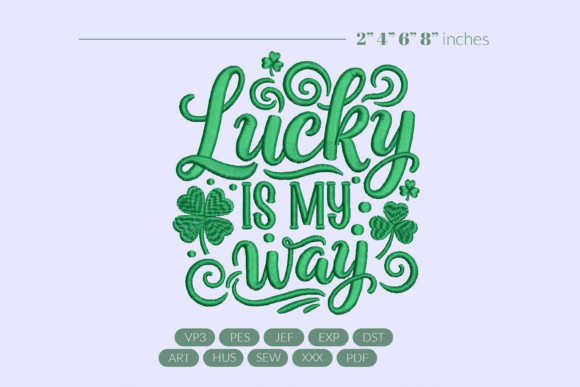
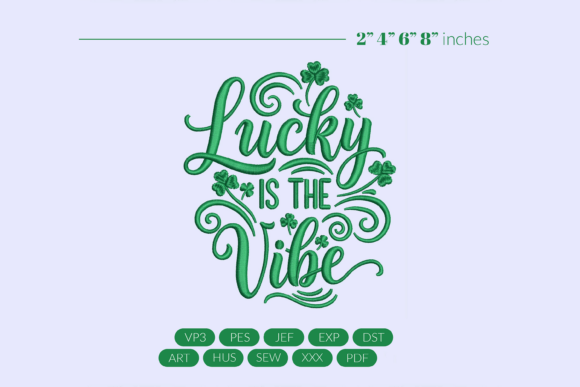
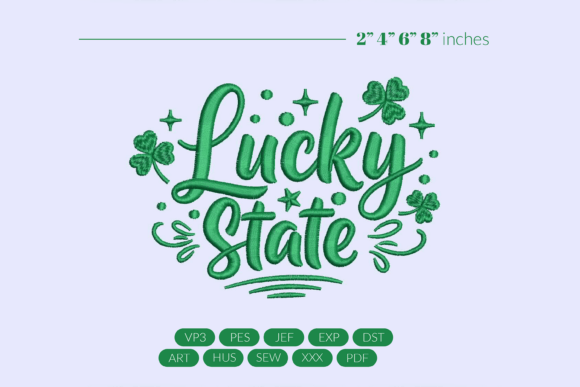
As someone who’s digitized and stitched hundreds of script-based machine embroidery designs, my first impression of Luck is in Motion Embroidery was immediate—this isn’t just another St Patrick S Day motif. It balances elegance and lightness in a way that feels intentional, not decorative filler. The script lettering flows with subtle variation in stroke weight, and the clover accents aren’t tacked on; they’re integrated like rhythmic pauses in a sentence. That matters when you’re choosing a digital embroidery file for real-world production—not just for visual appeal, but for how it behaves under needle and thread.
Where This Design Naturally Lives
Luck is in Motion Embroidery shines brightest on pieces where softness and intention coexist: linen aprons for boutique bakeries, organic cotton baby blankets, heavyweight kitchen towels for gift shops, and unstructured tote bags sold at craft fairs. It reads as handmade—not mass-produced—because the script avoids rigid symmetry, and the clovers have gentle irregularity. I wouldn’t place it on high-performance athletic wear or structured blazers; its personality leans toward warmth, sincerity, and quiet celebration. That makes it especially effective for personalized gifts and nursery decor tied to spring or new beginnings—not just March 17th.
Real-World Stitching: What Holds Up (and What Needs Attention)
In testing Luck is in Motion Embroidery across several substrates, I found its performance hinges on two things: stitch density and detail scale. The clovers use tight satin stitch with clean turns—ideal for stable fabrics like quilting cotton or twill—but they’ll pucker on lightweight knits without proper cutaway stabilizer. The script itself avoids ultra-thin running stitches, which means it holds up well on sweatshirt fleece and brushed poly-cotton blends, even after multiple washes. That’s critical for custom apparel and embroidered patch applications meant for long-term wear.
That said, the lettering sits in a mid-to-small scale range. On a curved cap surface or a narrow pillow cover seam, I recommend checking the hoop size before stitching—some versions may require a 4x4 hoop minimum, and stretching the design beyond its native proportions risks losing legibility in the “c” curves and clover stems. For dark fabric, contrast is strong *if* you choose bright green or gold thread—but avoid pale mint or silver unless you’re backing with tear-away film. Always test on scrap first: small details like clover stem ends can vanish on textured terrycloth or heavy terry-backed kitchen towels without adequate stabilizer support.
Commercial Use: How It Elevates Your Handmade Product
When used thoughtfully, Luck is in Motion Embroidery adds perceived value without increasing production complexity. Customers browsing Etsy or local boutiques respond to its balance of sophistication and approachability—it doesn’t scream “holiday,” so it extends beyond seasonal listings into evergreen handmade product categories. I’ve used it on limited-run aprons for a local café launch, and buyers commented on how “thoughtful” and “unforced” the embroidery felt—key for brand consistency when your shop leans into slow-made, intentional design.
It also performs exceptionally well in printable mockups. Because the script has natural rhythm and negative space, it photographs cleanly against neutral backdrops—no need for heavy shadowing or retouching. That saves time for digital embroidery file sellers building design assets or creatives curating cohesive social media feeds. And unlike dense fill-stitch motifs, Luck is in Motion Embroidery doesn’t overwhelm smaller items like baby onesies or cap brims. Its visual weight stays proportional, supporting—not competing with—the garment’s shape and drape.
Practical Notes Before You Stitch
- Test on scrap fabric—especially if using stretchy, napped, or dark textiles. Observe how clover edges settle and whether script spacing remains even.
- Review stitch density in your embroidery software. If the file includes layered clovers or overlapping script strokes, confirm no areas exceed your machine’s optimal density for your chosen fabric.
- Confirm hoop size before loading. Some Creative Fabrica embroidery files include multiple sizes—verify which version matches your intended application (e.g., 3x3 for patches vs. 5x7 for tote bags).
- Compare light and dark fabric mockups in your design preview. Thread color contrast shifts dramatically depending on base tone—what reads clearly on oatmeal linen may disappear on charcoal terry.
- Use appropriate stabilizer: medium-weight cutaway for knits and fleece; tear-away for stable wovens; fusible + tear-away combo for lightweight linens prone to shifting.
- Inspect small details post-stitch, particularly clover stem tips and fine script terminals. A quick trim with sharp snips restores crispness if threads nest slightly.
- Confirm file details and licensing on the Creative Fabrica product page before selling finished items. Licensing varies per designer—some allow unlimited commercial use, others restrict resale of physical products unless modified.
Final Thought: A Quietly Confident Choice
Luck is in Motion Embroidery won’t dominate a collection with flash—but it earns repeat use because it delivers quietly, consistently, and with integrity. It supports storytelling rather than interrupting it. Whether you’re embroidering a one-of-a-kind baby blanket, batch-producing boutique merchandise, or building a cohesive line of spring-themed handmade goods, this design respects both the craft and the customer. It reminds us that sometimes, the most effective embroidery isn’t the loudest—it’s the one that moves with purpose, stays legible over time, and carries positive energy without needing to shout. That’s why, after three real client projects—including a custom apron set for a St Patrick S Day pop-up and a run of linen pillow covers for a nursery shop—I keep returning to Luck is in Motion Embroidery as a trusted, versatile, and genuinely thoughtful addition to my design assets.