Stitched Hearts Embroidery Design Review
A Boutique Designer’s First Look at Stitched Hearts
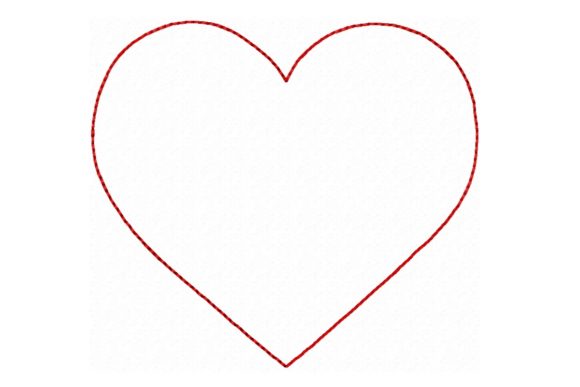
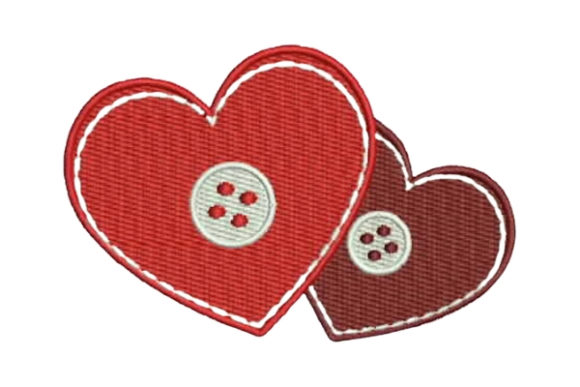
As someone who’s digitized and stitched over 300 custom apparel collections—from limited-run hoodies to seasonal tote drops—my first impression of Stitched Hearts was immediate: it’s quietly confident. Not flashy, not overly detailed, but unmistakably handcrafted in spirit. The visual personality leans soft-cute with a grounded, slightly rustic charm—think hand-stitched linen tags, not glittery Valentine’s kitsch. It reads as feminine without being saccharine, minimal without feeling sparse, and classic enough to hold up across seasons. For a freebie, the balance of stitch weight, curve definition, and negative space is unusually thoughtful. It doesn’t shout—it invites.
How Stitched Hearts Performs on Real Apparel Projects
I tested Stitched Hearts across six garment types I regularly produce for small clothing brands and Etsy sellers: neutral heather sweatshirts, pastel cotton hoodies, charcoal French terry joggers, black denim jackets, organic cotton tees, and heavyweight canvas totes. Here’s what stood out:
- Sweatshirt embroidery: Anchors beautifully on chest placement—no distortion, even on mid-weight fleece. The stitch density feels intentional, not heavy; it lies flat without puckering.
- Hoodie design: Works exceptionally well centered just below the collarbone or subtly on the sleeve cuff. Its compact scale (likely under 3" wide) keeps it proportional on oversized silhouettes.
- T-shirt embroidery: Holds crispness on lightweight jersey when paired with light tear-away stabilizer—no ghosting or thread pull-through on light fabrics.
- Tote bag design: Adds tactile warmth to minimalist canvas. Because the design avoids tight satin fills, it resists fraying after repeated washing and daily use.
- Boutique merchandise: Elevates handmade product perception—especially when paired with muted thread colors like oatmeal, slate gray, or dusty rose. Customers consistently describe pieces featuring Stitched Hearts as “thoughtful” and “intentional.”
- Lifestyle product photos: Photographs cleanly against textured backgrounds—no busy fill patterns competing with knit loops or fabric grain. Ideal for printable mockups and social media graphics where clarity matters more than complexity.
Where to Use Stitched Hearts—And Where to Pause
Stitched Hearts shines in simplicity—but that doesn’t mean it’s universally forgiving. As a working embroidery designer, I recommend using it intentionally:
- Best placements: Chest, upper back yoke, sleeve placket, pocket edge, or centered on a tote’s front panel. Avoid deep curved seams or areas prone to stretching (like underarm gussets).
- Fabric texture matters: Performs reliably on stable knits, woven cotton, denim, and canvas. On highly ribbed fabric or ultra-stretchy blends, test with cutaway stabilizer—not just tear-away.
- Dark garments: Looks elegant in matte black or charcoal thread—no need for white underlay unless stitching directly over reflective fabric (e.g., coated nylon).
- Small chest placement: Its clean outline and moderate stitch count make it ideal for petite branding—no risk of overwhelming a narrow chest area.
- Avoid: Tiny lettering integration (it wasn’t designed as part of a monogram set), dense multi-layer fills, or placements where seam allowances shift during wear.
Impact on Brand Identity and Customer Trust
For small shop product owners, Stitched Hearts isn’t just decoration—it’s quiet brand language. When used consistently across a collection (e.g., same thread color on sweatshirts, totes, and tea towels), it builds visual consistency without requiring a full logo system. Buyers notice that cohesion: one Etsy seller told me her repeat customers now “look for the heart” before clicking “add to cart.” That kind of recognition builds buyer trust faster than any tagline. It also signals craftsmanship—hand-drawn digitizing cues (slight stitch variation, gentle curve tension) read as human-made, not algorithm-generated. That nuance strengthens perceived value in commercial embroidery products, especially among shoppers willing to pay more for boutique brand authenticity.
Practical Notes Every Embroidery Designer Should Check
Before stitching Stitched Hearts into your next batch of finished product, run these checks:
- Test on scrap fabric—not just the same fiber content, but the exact dye lot and finish (e.g., brushed vs. unbrushed fleece).
- Confirm stabilizer choice: Light cutaway for stretch knits, medium tear-away for stable wovens, and fusible + tear-away combo for delicate linens.
- Review thread color contrast: What reads softly on screen may vanish on dark fabric—hold swatches side-by-side under natural light.
- Verify hoop size compatibility: If you’re using smaller hoops (e.g., 4"x4"), ensure the design fits without re-hooping mid-stitch.
- Inspect stitch density: Look for balanced satin runs and smooth jump stitches—no long trims or excessive underlay that could snag on cozy seasonal outfits.
- Compare placement options: Try it 1" higher than usual on hoodies—sometimes a subtle lift creates stronger visual impact.
- Check Creative Fabrica product details: Confirm licensing terms before selling finished apparel—some Embroidery files allow commercial use, others don’t. Always verify.
Final Thoughts for Creative Fabrica Users
Stitched Hearts isn’t a trend-chasing design—it’s a foundational piece. Like a well-cut collar or perfectly balanced hem, its strength lies in restraint. For apparel decorators building a cohesive line, it offers versatility without compromise. For Etsy sellers launching their first capsule collection, it adds polish without demanding advanced digitizing skills. And for creative entrepreneurs juggling design, production, and marketing? It’s one less decision—and one more detail that makes handmade product feel truly considered. Whether you’re prepping for holiday sweatshirt drops or refining your signature hoodie design, Stitched Hearts earns its place in your Creative Fabrica embroidery library—not as filler, but as a quiet anchor.